

New archaeological discoveries could change the narrative of Côa rock art
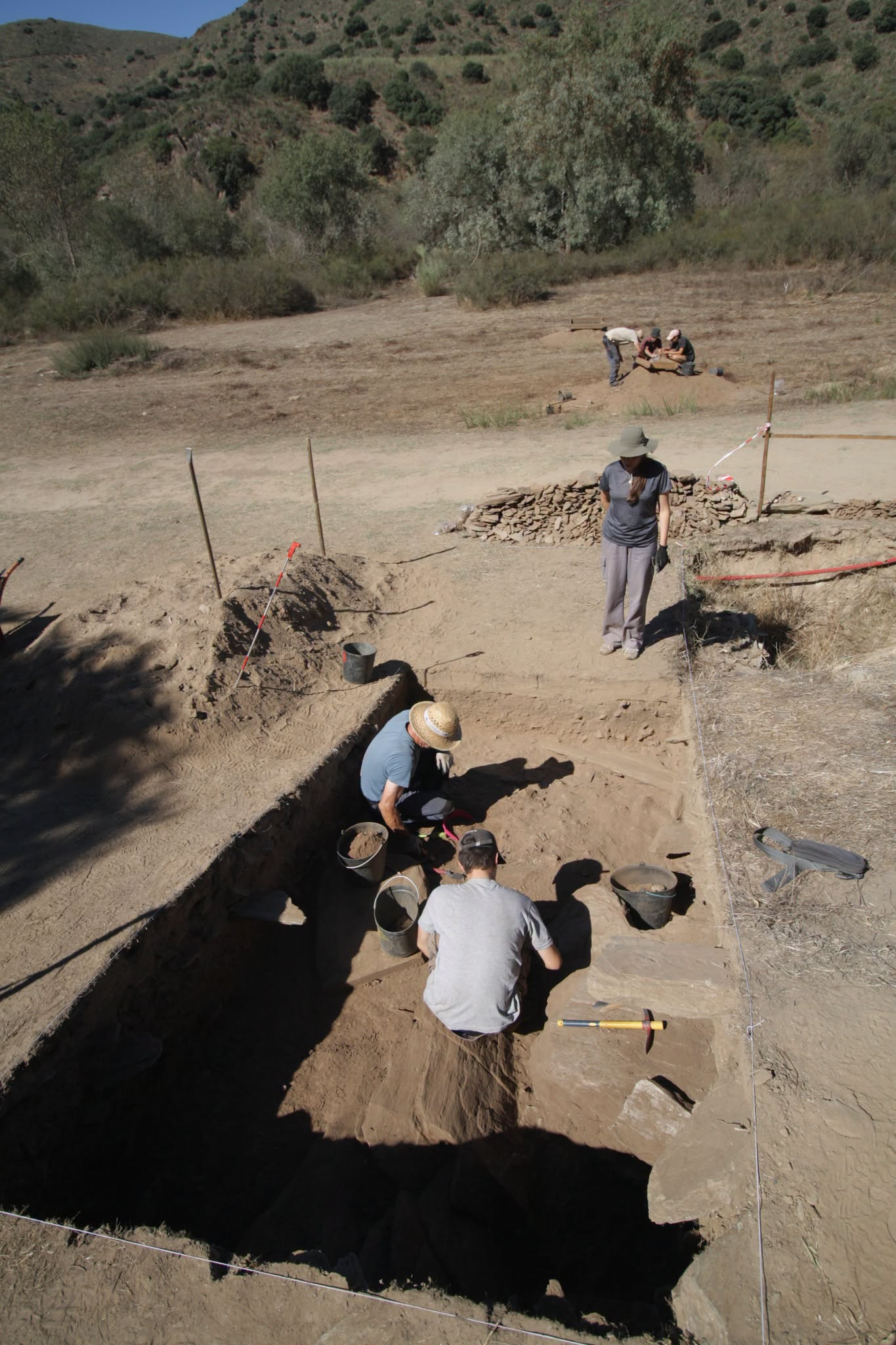
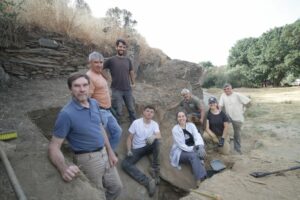 Excavations beside Rock 3 at Penascosa have been revealing new evidence of human presence in the Côa Valley.
The work carried out in 2025 — which continued in 2026 — led to the identification of flaked stone tools and, more recently, dozens of fragments of mineral pigments associated with layers of human occupation that, according to Thierry Aubry, may date back more than 27,000 years.
In an initial phase, the excavations revealed “flaked stone tools and other stone materials used in hearths, which attest to the presence of human groups during the Upper Palaeolithic, close to the famous Rock 3”, as reported by the Côa Parque Foundation.
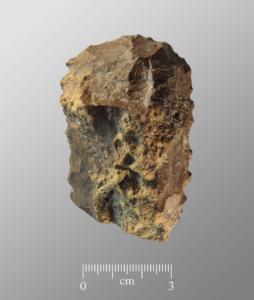
The more recently identified materials include pigments in shades of yellow, red, black and brown. Their purpose remains under investigation and may have been related to various activities, including painting, hide processing or adhesive production.
Speaking to the Lusa news agency, Thierry Aubry, the Foundation’s Scientific Coordinator, highlighted the questions raised by the discovery: “The two techniques, painting and engraving, are often associated, and perhaps the people of the Upper Palaeolithic were using paint in the Côa Valley 27,000 years ago.”
The researcher noted, however, that the presence of these materials does not establish which surfaces they were used on: “They had the materials needed to paint”, but “we still do not know what surface they used”.
Further excavations at Penascosa are planned for next spring, continuing the study of the materials and archaeological contexts identified.
In response to these discoveries, João Paulo Sousa, President of the Board of Directors of the Côa Parque Foundation, also called for additional resources for research. Speaking to Lusa, he warned: “The Foundation’s staffing structure includes only three people working in research, and there is an urgent need for more researchers.”
The research was also the subject of a report in New Scientist, published on 19 October 2026, which followed the work at this archaeological site